Breaking down what "I have nothing to wear" actually means for your nervous-system.
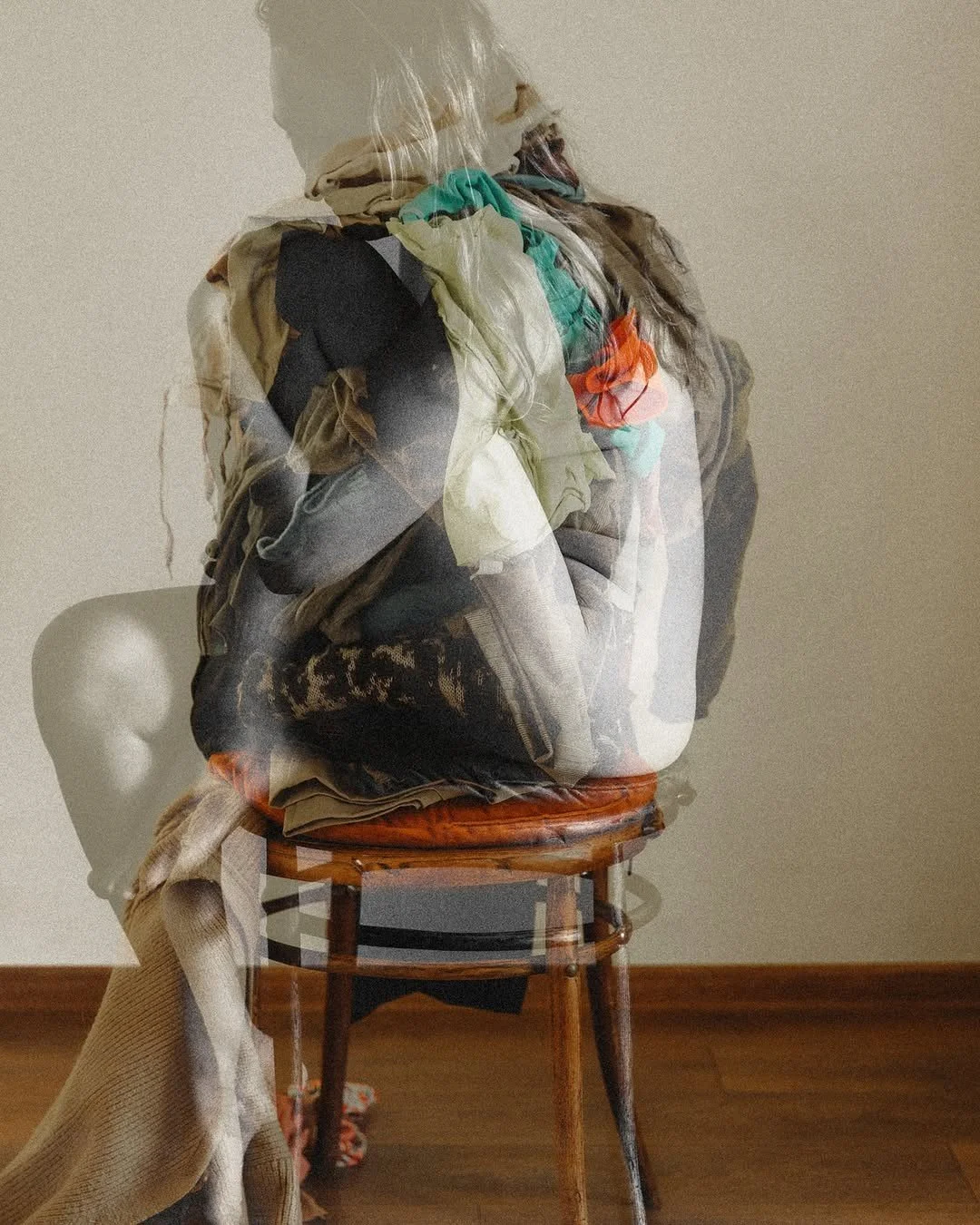
“Under other’s expectations” by Photata
For those who stand at the foot of their wardrobes feeling apathy, confusion, or a quiet sense of dread—this is for you.
I’ve stood in front of my wardrobe and felt the hollow echo of that familiar phrase:
“I have nothing to wear.”
Not because there weren’t clothes. There were plenty. But because nothing felt like me. Nothing felt safe.
Nothing felt true.
And in that moment, I wasn’t dealing with a style crisis. I was experiencing a nervous-system response.
After years of working with hundreds of women and clients across the globe, I’ve come to understand that this moment—seemingly trivial and everyday—is anything but. It’s a moment of functional freeze.
A polyvagal response.
It’s the body’s way of saying:
“I’m overwhelmed. I don’t feel safe to choose.” and so much more.
Every single one of our nervous-systems are complex and unique. Which is why my work is polyvagal-informed. I’ve trained directly under Deb Dana, one of the leading voices in the field of nervous system healing and co-regulation. Through that lens, I understand that how we dress is deeply influenced by how safe we feel in our bodies.
When someone says, “I have nothing to wear,” what they often mean is:
“I don’t feel like myself.”
“I don’t know how to show up today.”
“I’m afraid of being seen.”
I’ve seen this time and again in my 1:1 practice—clients who’ve battled with chronic body image shame, body-dysmorphia, cultural conditioning, burnout, or identity shifts. Clients who dressed for years from a place of self-loathing, apathy, numbness or quiet self-hatred.
The freeze happens when we lose connection to our body’s sense of knowing.
We’ve been gaslit by the fashion industry, shamed by societal standards, and taught that our worth is dependent on how well we conform. We’ve dressed for approval, for outcomes, for camouflage.
Rarely have we been taught to dress for ourselves.
Rarely have we been given the permission by peers, family members, teachers, mentors and those we love to dress for who we are.
In fact many of us don’t know where to start.
But the truth is, your body knows and in all of my sessions that is where we start. With the body.
It knows what textures calm you.
What shapes make you feel powerful.
What colours you’re drawn to when you’re feeling tender, or bold, or in need of grounding.
And this is where trends become somewhat irrelevant because all of that heady information that you’ve consumed for years and years drops into the body’s gnosis.Sensation. Listening. Reverence.
When we can bring our nervous system into regulation, we feel safe enough to choose again and everything changes.
Style becomes a form of self-tending, not self-criticism. Clothing becomes a way to honour who you are—not who you’ve been told to be.
Here’s one practice I return to again and again, both for myself and those I work with:
“A Daily Style Alignment Practice
Pause before you dress.
Stand still for a moment before opening your wardrobe.
Let the day arrive before you decide who you need to be within it.
Place your hand on your body.
Rest your hand gently on your chest, your abdomen, or anywhere that feels neutral and steady.
Close your eyes and take three soft breaths.
Allow your breath to settle your nervous system. Notice where you feel open, where you feel contracted, and where you feel indifferent.
Ask a simple question:
What do I need today to feel like myself today?
Let the answer register physically.
Does your body ask for structure or softness? Visibility or discretion? Protection or fluidity? Energy or ease?
Allow sensation to guide you before logic does.
Translate the feeling into fabric and form.
Open your wardrobe and select one piece that meets that need — perhaps a tailored jacket for clarity, a weighty knit for reassurance, a sharp shoe for authority, or something fluid for movement.
Dress from alignment, not habit.
Notice the difference between reaching automatically and choosing deliberately. Even one intentional piece can recalibrate the entire silhouette.
Carry the awareness with you.
Throughout the day, observe how you move, sit and speak in what you chose. Clothing is not separate from embodiment; it subtly directs posture, tone and presence.”
You don’t have to love your whole wardrobe today. You just need one item that helps you begin again. The good news? You can gently move out of this state with body-based tools like breath, movement, sensation tracking, and somatic adornment tools. You can return to a sense of safety and possibility.
That’s the core of what my method helps facilitate. This work is not about perfection. It’s about presence. It’s about healing our relationship with the mirror, with the fabric against our skin, with the way we take up space in the world.
It exists because I believe dressing can be a sacred act. A way back to yourself.
It integrates soma, soul, mind, and body. It’s informed by nervous system science, ancestral wisdom, and decades of experience in both fashion and healing. It’s a journey from freeze to flow, from self-loathing to self-love.